Freshness01
A harvest date, not a best-before
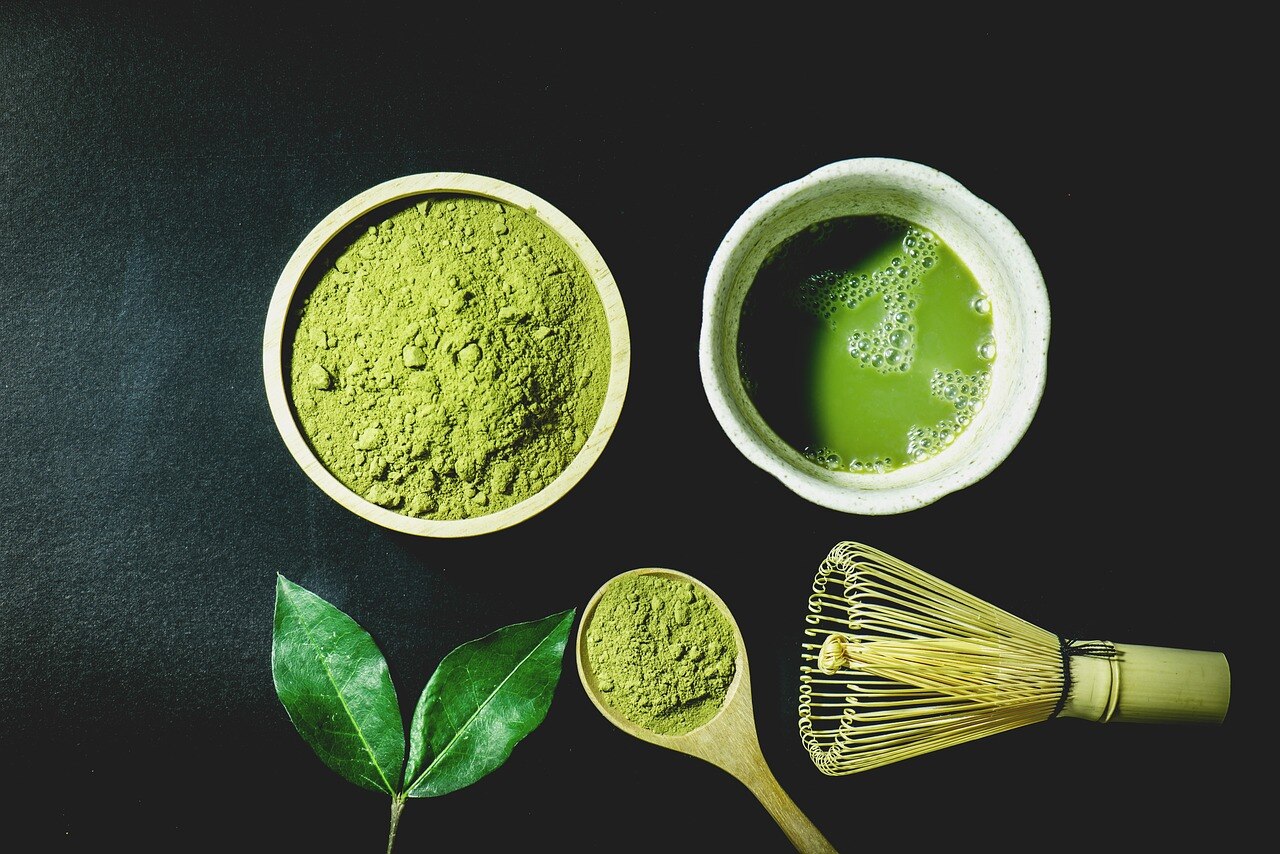
Matcha starts fading the day it is milled. Every Kageha tin is stamped with its milling date and its lot number, so you always know exactly how young the powder in your bowl is.
Uji, Japan → your kitchen · Now taking waitlist
Most matcha reaches you already fading — blended across farms, milled months ago, dated only by a distant best-before. Kageha sends one single-origin lot at a time, stone-milled to order and stamped with the day it was made, on a rhythm set to your daily bowl.
Lot KG-114 · Uji
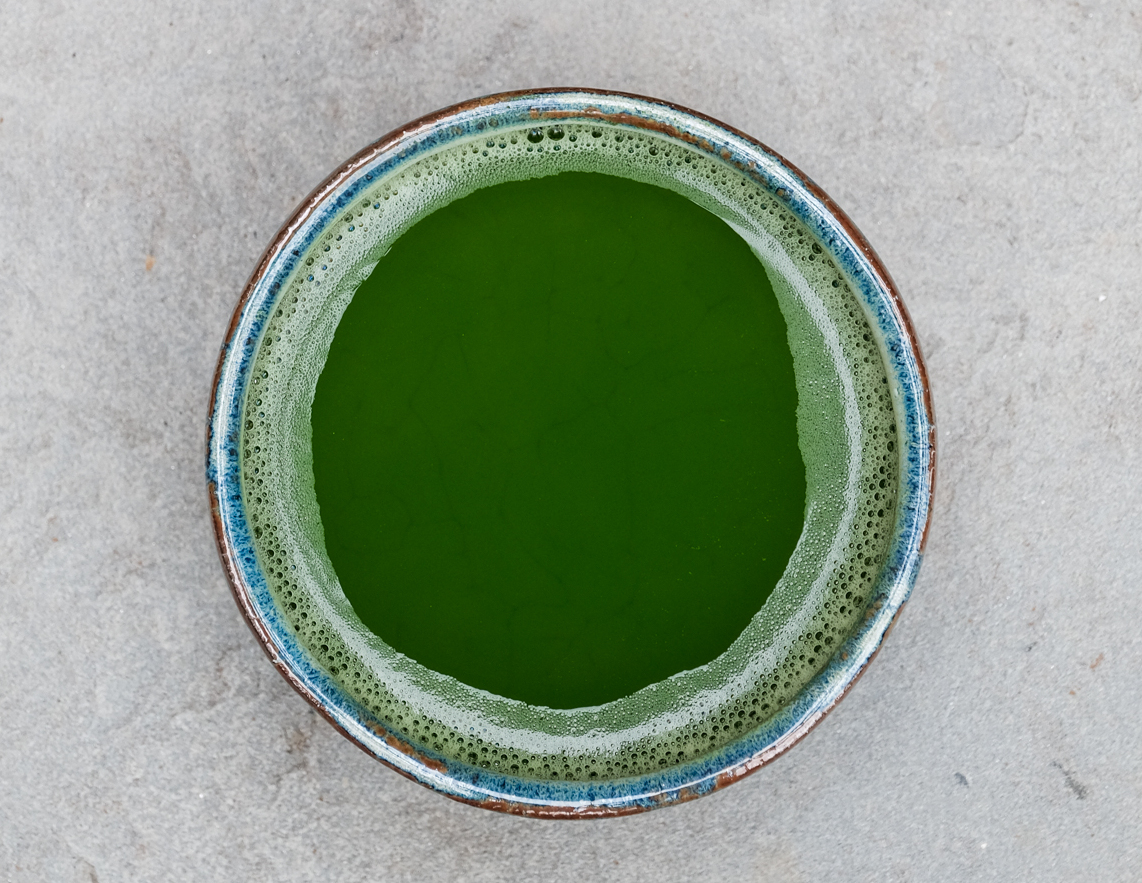
Okumidori, shaded 21 days
Stone-milled the morning it shipped
Why Kageha
Matcha is one of the few things you buy where freshness decides almost everything and almost nobody discloses it. We built the brand around the details a serious drinker would ask for — and then made them the default.
Matcha starts fading the day it is milled. Every Kageha tin is stamped with its milling date and its lot number, so you always know exactly how young the powder in your bowl is.
No blending to hit a price point. Each tin names the grower, the cultivar and the number of days the leaf spent under shade — the three things that actually decide how it tastes.
Tell us how many bowls a week you drink and we set the cadence to land a new tin just as the last one runs low. Pause, skip, swap the lot or change the date in two taps.
Every delivery includes the water temperature, ratio and whisking notes tuned to that specific lot — plus chasen care guides and seasonal tasting notes from our tea lead.
The daily ritual
A subscription is only worth having if the thing it delivers becomes a habit. So we ship the practice alongside the powder — the ratio, the temperature and the notes written for the exact lot in your hands.
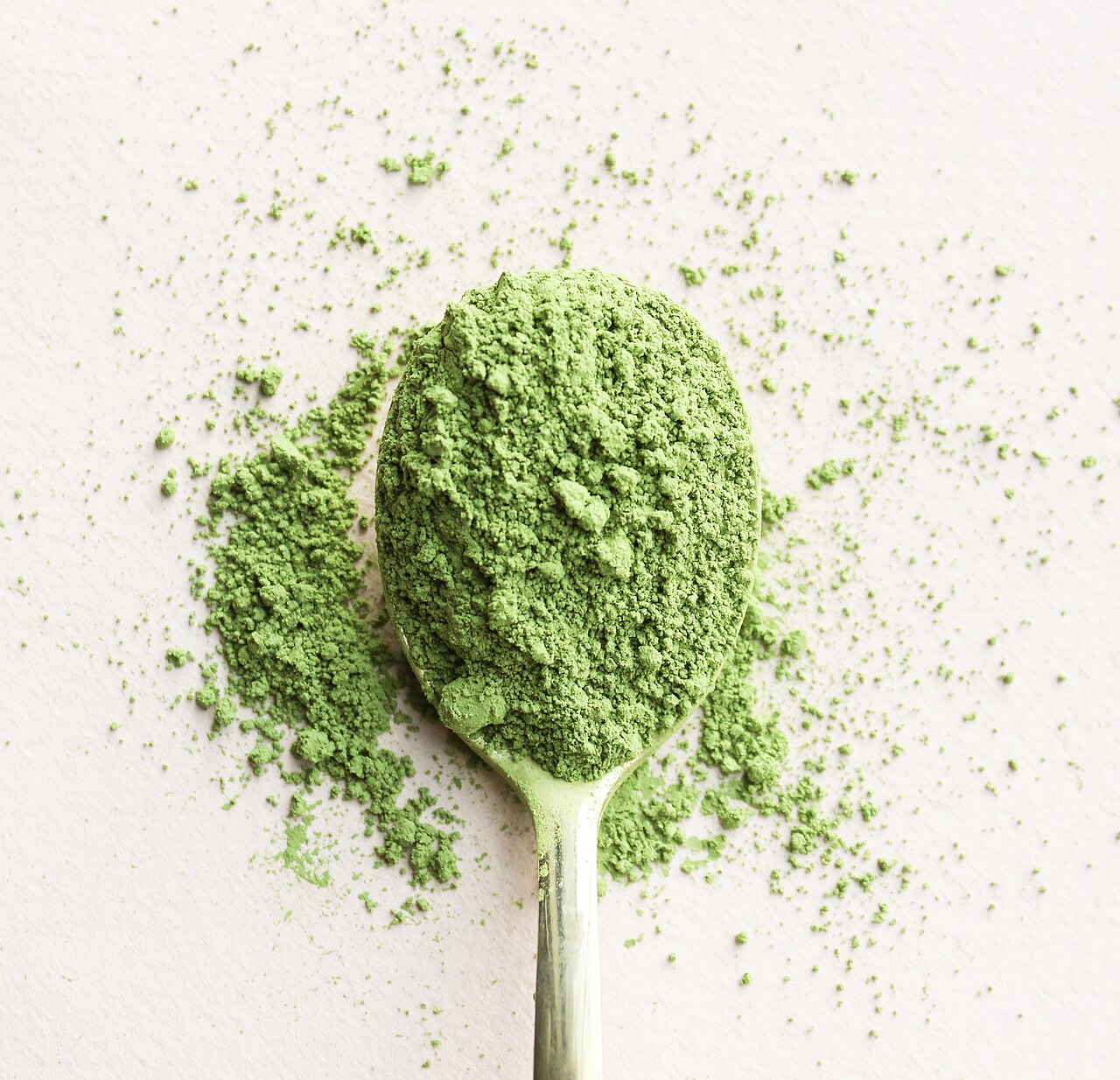
Two chashaku of powder — about 2 grams — through a fine sieve into a warm, dry bowl. Sifting is the difference between silk and clumps.
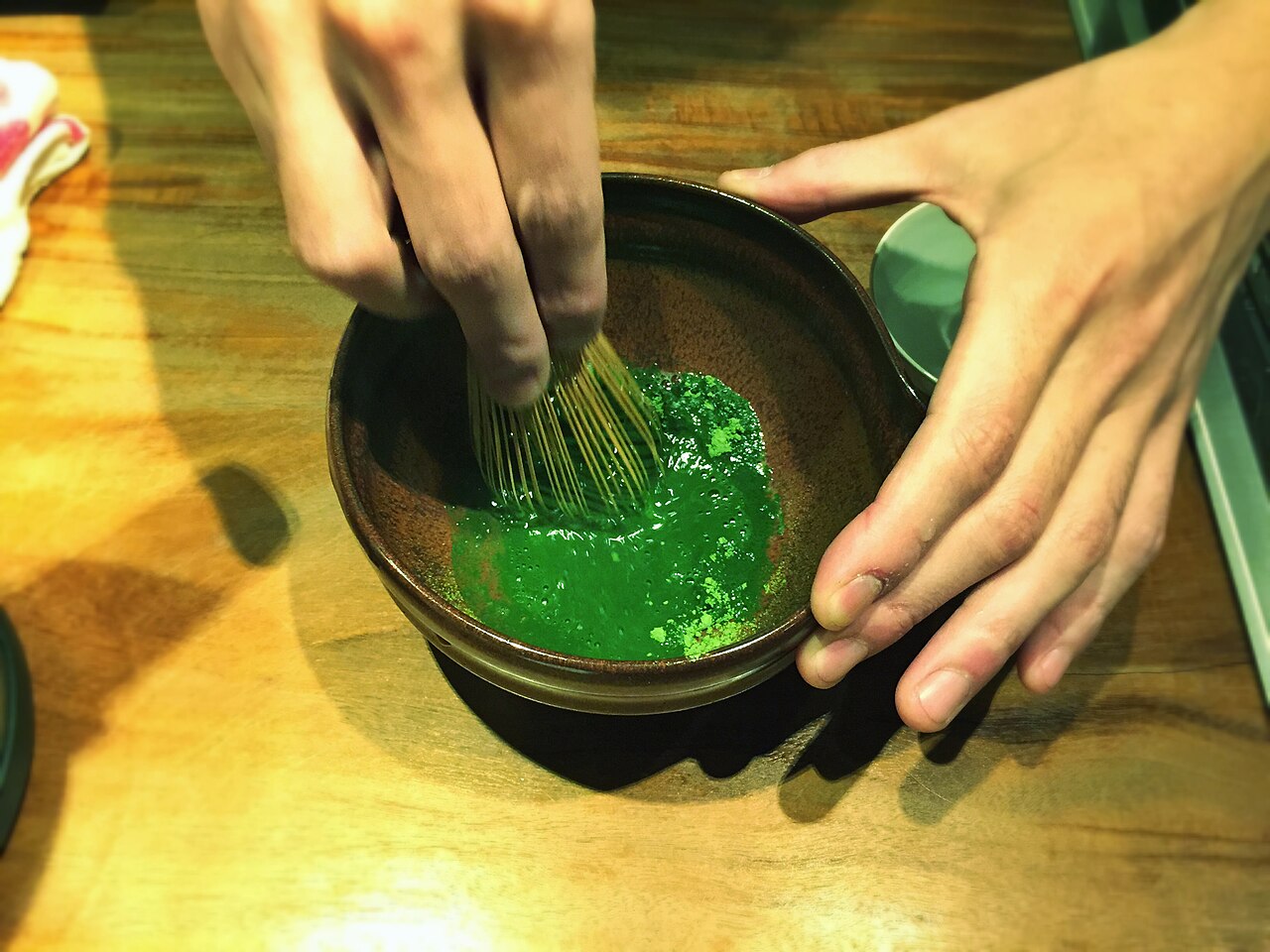
70 ml of water just off the boil. Whisk briskly in a W, wrist loose, for about fifteen seconds — until the surface turns to fine, even foam.
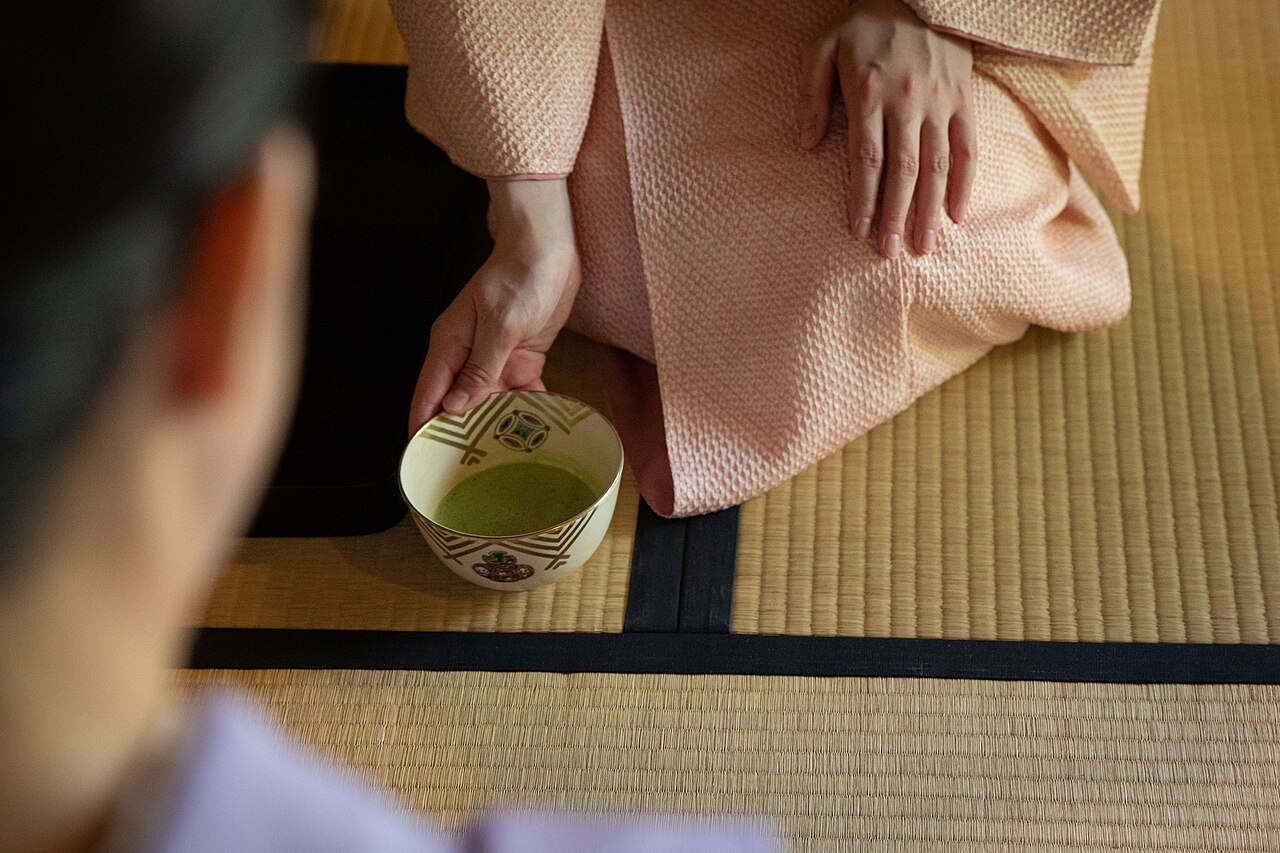
Three sips, no screen. It takes four minutes, and it is the only part of the ritual we cannot ship you — but it is the reason for all the rest.
Provenance
Every Kageha lot is traceable to a single grower and a single spring pass. Nothing is blended to stretch supply, which is also why we release in cohorts rather than pretending the harvest is infinite.
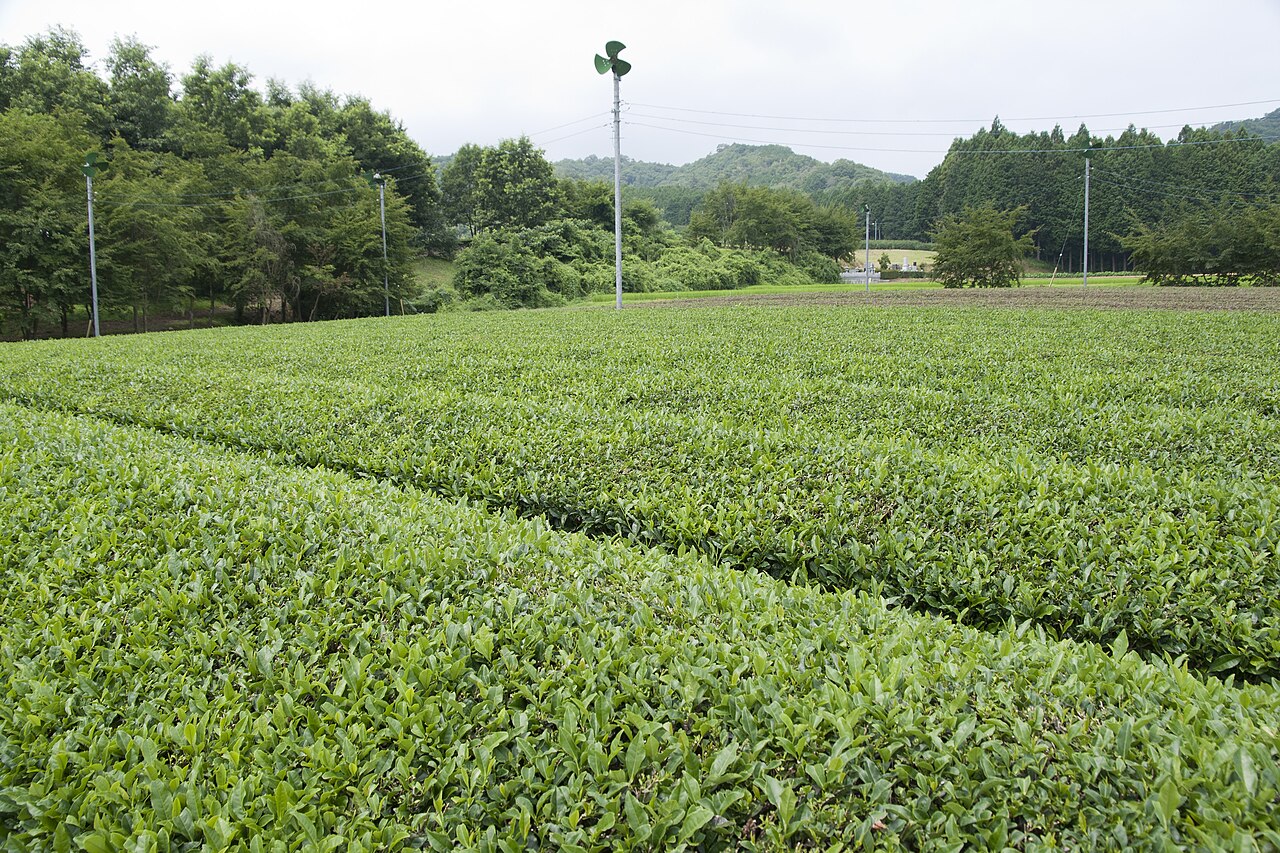
Uji
Growing region
Okumidori
Cultivar
First flush
Harvest
Canopies go up three weeks before picking. Starved of light, the leaf floods with theanine — the source of matcha's sweetness and its calm.
Just the bud and the two youngest leaves, taken in a single spring pass. Nothing from later, coarser harvests ever enters a Kageha tin.
Steamed within hours, dried, then stripped of stem and vein. What is left is the soft leaf flesh — the only part fine enough to become matcha.
Granite wheels turn out roughly 40 grams an hour. Slow keeps the powder cool, and cool keeps the colour and the aroma intact.
Nitrogen-flushed and sealed inside the hour, stamped with its lot, then shipped to you — usually in your hands under thirty days from the mill.
The collection
Three lots and one tool. Pick by occasion rather than by grade — every tin here is ceremonial-quality leaf, milled for a different bowl.
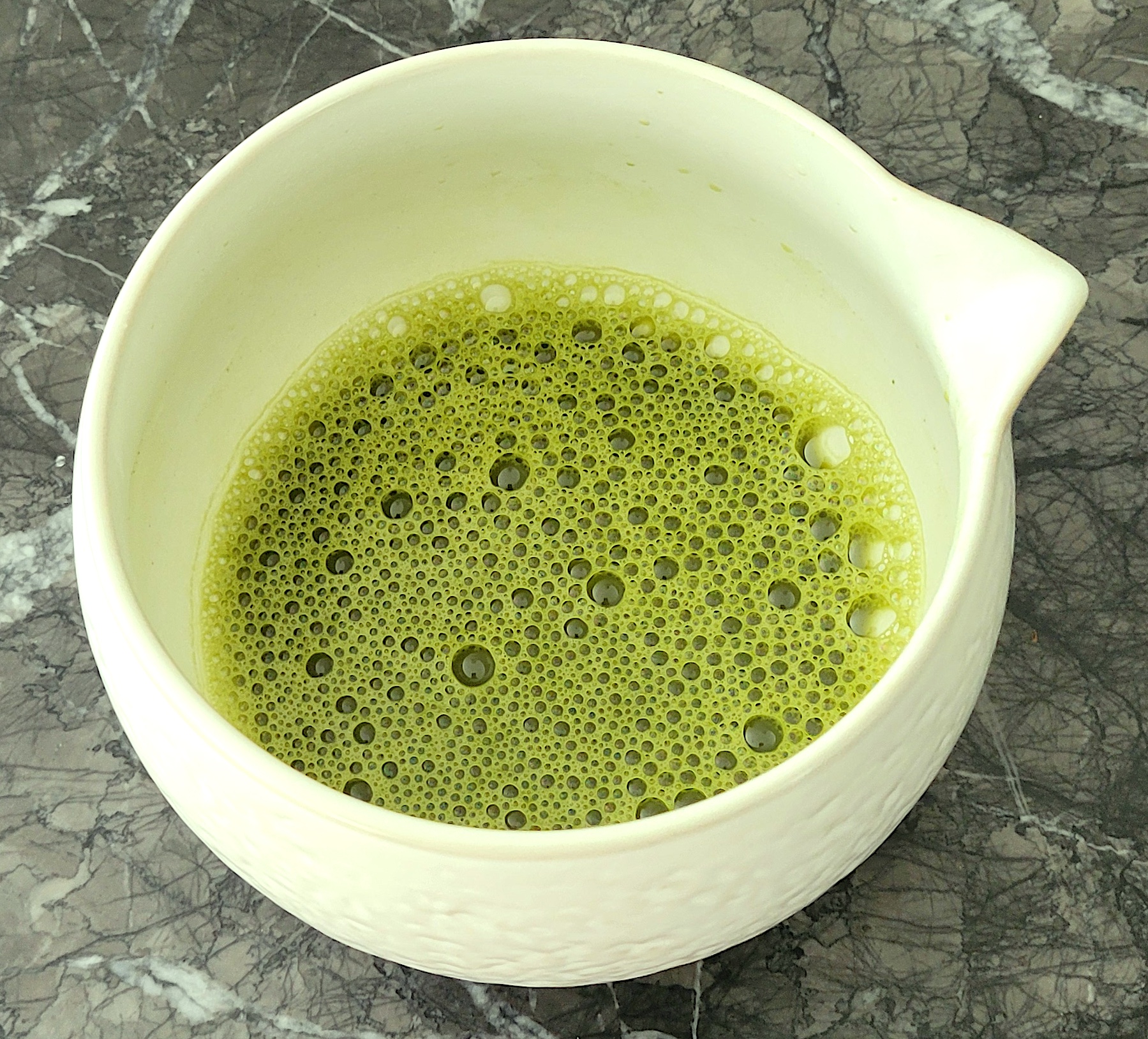
Everyday usucha
Morning Ritual
Our daily driver. Whisked thin as usucha it froths into a fine, sweet crema with almost no astringency — forgiving enough for a first bowl at 6 a.m.
$42CAD
30 g ceremonial tin
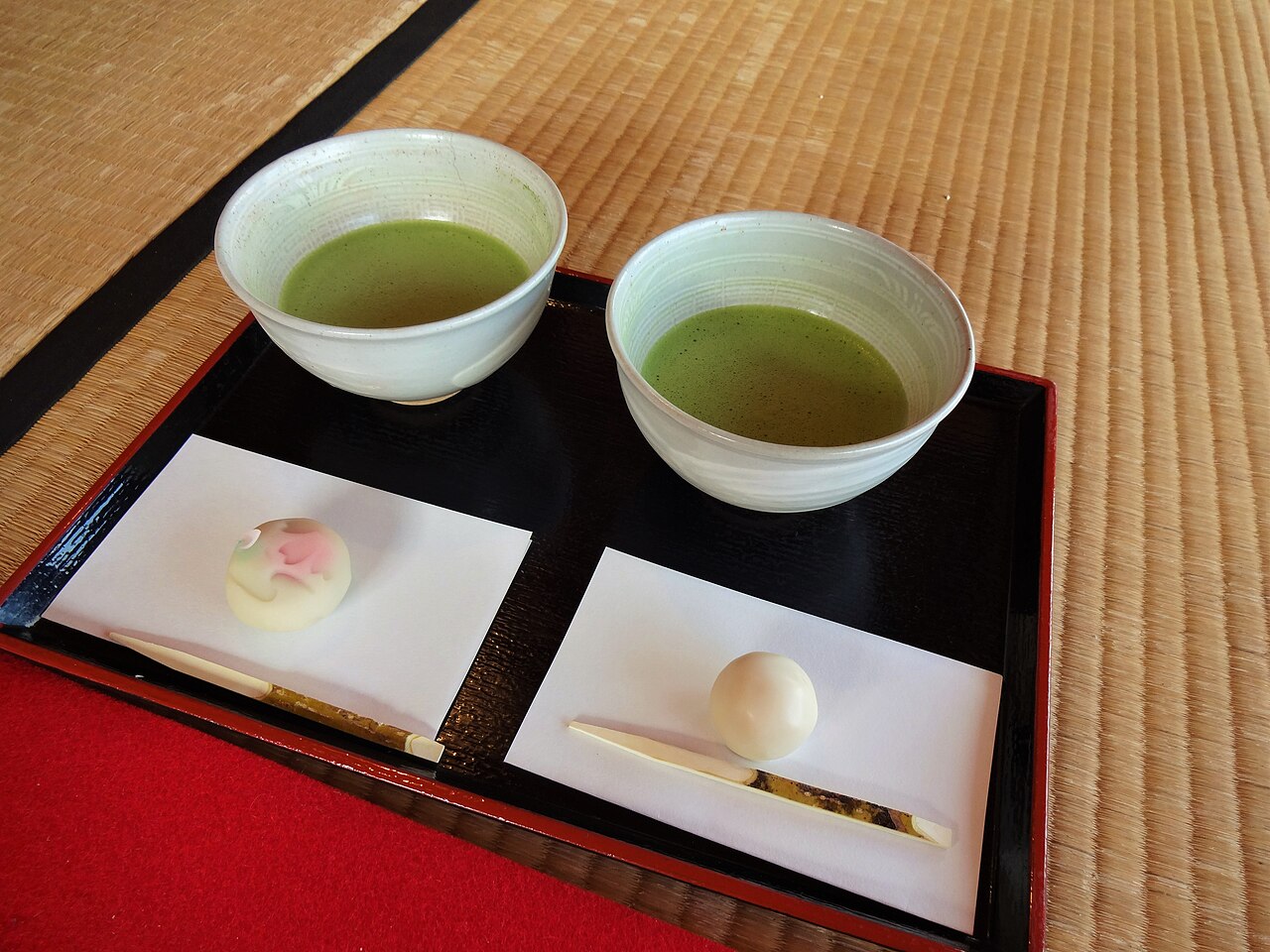
Guests & slow mornings
Reserve Ceremonial
First-flush leaf from the oldest section of the field, milled in small batches. Deep enough for koicha, and the bowl you reach for when someone is watching you make it.
$55CAD
30 g ceremonial tin
Cold shakes and milk
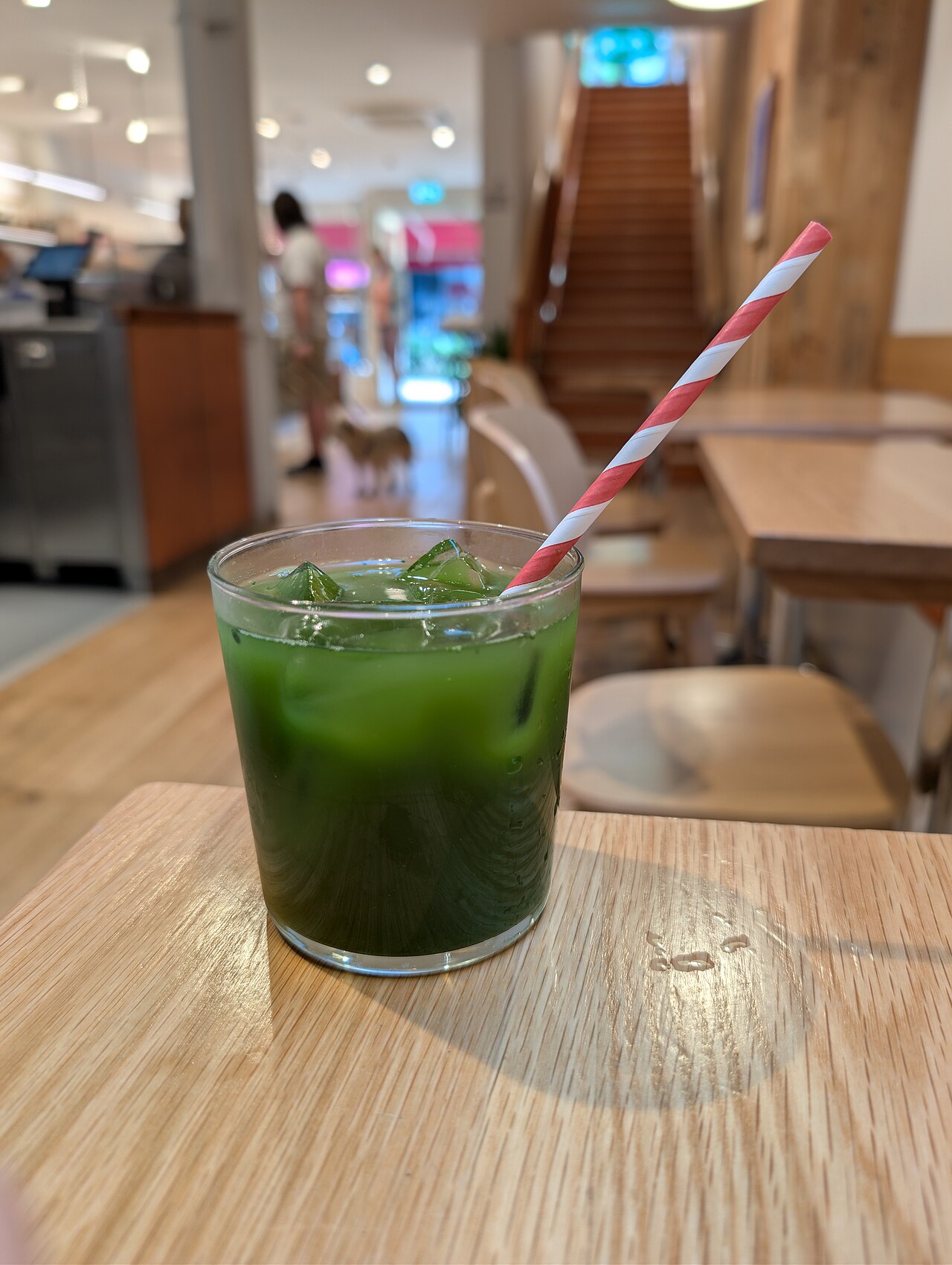
Iced & Latte
Milled a touch coarser and picked for backbone, so the flavour still reads clearly through ice, oat milk or a shaker of cold water. Made for the 3 p.m. glass.
$35CAD
40 g tin
The tool
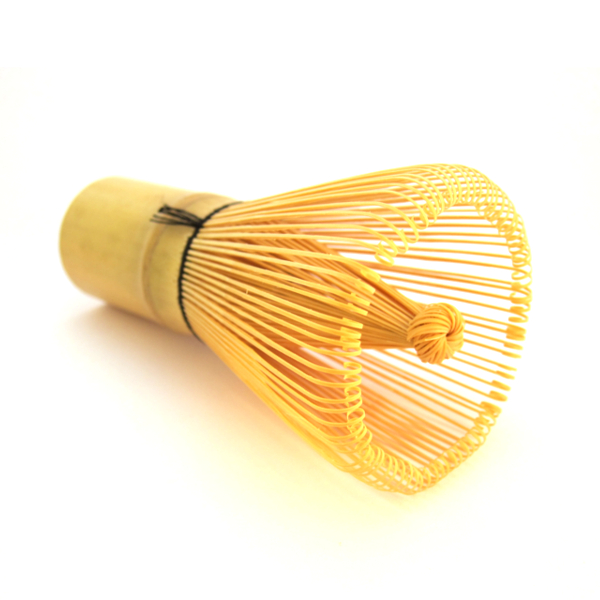
Hand-cut Bamboo Whisk
Cut from one node of aged bamboo by a single maker. Eighty prongs is the sweet spot: fine enough for a dense foam, sturdy enough to survive daily use.
$28CAD
80-prong, single piece of bamboo
Subscription first
Set your cadence once. Pause, skip, swap the lot or cancel from any delivery email — no phone call, no retention script. Prices in CAD.
For 3–4 bowls a week
$38/ month
One 30 g tin every 6 weeks
For a bowl a day
$62/ month
One 30 g tin every 4 weeks
For households & studios
$96/ month
Two 30 g tins every 4 weeks
Freshness signal
KagehaMilling date stamped on every tin
A typical matcha tinA best-before date, often two years out
Sourcing
KagehaOne farm, one cultivar, one lot
A typical matcha tinBlended across farms and harvests
Replenishment
KagehaCadence matched to how much you drink
A typical matcha tinYou notice it is empty mid-whisk
Guidance
KagehaRatio, temperature and notes per lot
A typical matcha tinA generic teaspoon-per-cup line
Flexibility
KagehaPause, skip, swap or cancel in two taps
A typical matcha tinEmail support and hope
From the first cohort
Sample reviews shown while we are pre-launch. Real ones replace them the week the first cohort ships.
I had been buying whatever tin the grocery store had and wondering why matcha was supposed to be a big deal. The first Asagiri bowl answered that. The milling date on the tin is the detail I did not know I needed.
The cadence is the whole thing for me. A tin arrives the week I run out, every time, and I have never had to think about it. Skipping a month while I travelled took about ten seconds.
Nagare is the first matcha I have used that does not vanish under oat milk. My afternoon iced glass finally tastes like tea instead of a green suggestion of one.
Questions
Still unsure? Join the waitlist and reply to the welcome note — our tea lead answers every one personally.
A sealed ceremonial tin of single-lot matcha, a lot card naming the farm, cultivar, shade days and milling date, and brewing notes written for that specific lot. Cadence is yours: every four weeks on Ritual, every six on Kissa, or any date you set.
Yes — all three, at any time, with no phone call and no retention gauntlet. Skip a single delivery, push the date back, swap the lot, or cancel outright. Changes made before your billing date apply to that delivery.
Shelf matcha is usually blended from several farms and harvests, then held long enough that the colour has begun to dull. We ship one lot at a time, stone-milled to order, dated so you can see for yourself how young it is.
Asagiri if you drink it whisked in water most mornings. Nagare if your matcha usually meets ice or milk. Kurogane when you want the bowl you would serve a guest. Not sure? Start on Ritual — the rotating lot walks you through all three.
We ship to every province and territory. Shipping is included on the Ritual and Chakai plans; Kissa adds a flat rate at checkout. Orders leave our Vancouver studio within one business day.
Reseal the tin, keep it away from light and heat, and finish it within about a month of opening. The fridge is fine for an unopened tin, but let it come fully to room temperature before you break the seal so condensation does not get in.
Next cohort
Leave your address and we will hold a tin from the next milling. One email when your lot is ready — no drip campaign, no sharing your details.